
The History of Glassboro

Whitney Glass Works, 1835
Early Beginnings: Glassmaking Roots (1779–1800s)
Glassboro’s story began in 1779 when Solomon Stanger purchased land to build a glass factory called “Glass Works in the Woods.” The area’s sandy soil and oak forests made it ideal for glass production, giving the borough its name. Over the years, several glass factories operated here, including the Heston‑Carpenter Glass Works, Olive Glass Works, and later the Whitney Brothers Glass Works, which became one of South Jersey’s most successful glass producers. These early industries helped establish Glassboro as a thriving community in Gloucester County.
Growth and Incorporation (1800s–1920s)
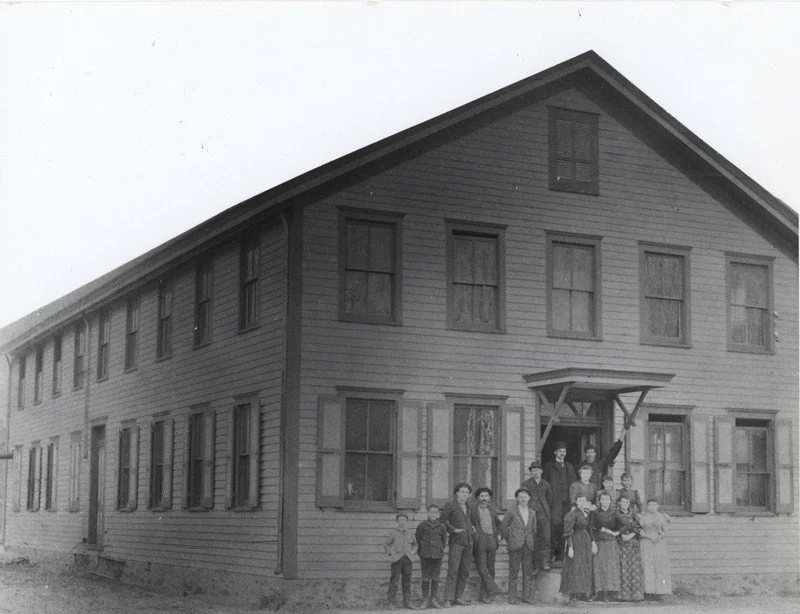
The Gibb and Wesley Shoe Factory, 1886
As Glassboro moved into the 19th century, the town experienced steady population growth and industrial diversification. While the early economy was centered on glassmaking, new industries emerged, including metalworks, paper manufacturing, and other small-scale factories. These businesses provided employment for local residents and helped establish Glassboro as a self-sustaining community.
The town’s transportation connections expanded during this period, with the West Jersey Depot linking Glassboro to other towns and cities in South Jersey and beyond. This improved access allowed local industries to ship goods efficiently and brought visitors and new residents to the borough, contributing to economic growth and cultural exchange.
In addition to industrial and transportation developments, community institutions such as schools, churches, and civic organizations began to take root, creating a stronger social and cultural foundation for the town.
Recognizing the need for formal governance to support this growth, Glassboro was officially incorporated as a borough on March 18, 1920. Incorporation gave the community a structured municipal government, enabling it to manage infrastructure, public services, and urban planning more effectively. This period of growth set the stage for Glassboro’s transformation into a vibrant, modern community while preserving its historic character.
Education and the Glassboro Summit (1923–1960s)
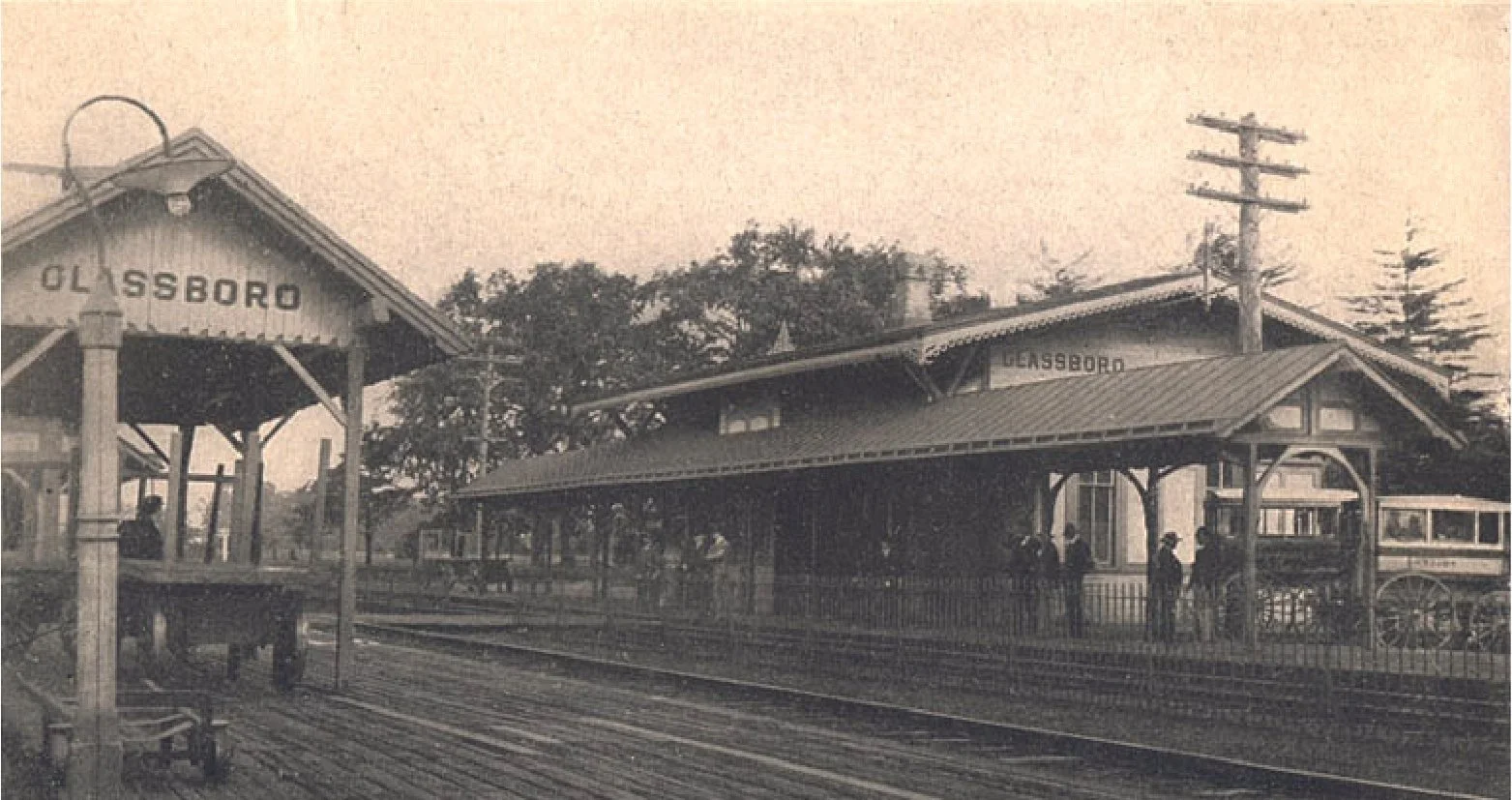
West Jersey Depot, early 1900s
In 1923, the New Jersey State Normal School at Glassboro opened to train teachers. The institution later became Glassboro State College in 1958 and eventually Rowan University in 1992 following a major endowment.

Glassboro Summit Conference, 1967
Glassboro gained international attention in June 1967 when President Lyndon B. Johnson and Soviet Premier Alexei Kosygin met at Hollybush Mansion on the campus of Rowan University during the Cold War. Known as the Glassboro Summit Conference, the event was celebrated for fostering diplomacy and dialogue between the U.S. and the Soviet Union.
Preserving Our Heritage
Glassboro honors its rich history through a variety of historic sites, museums, and preservation efforts that celebrate the borough’s industrial roots, architecture, and community traditions.
Hollybush Mansion – Built in 1849 by Thomas Whitney in the Italianate style, this mansion is preserved as a museum and event space. It famously hosted the 1967 Glassboro Summit Conference between President Lyndon B. Johnson and Soviet Premier Alexei Kosygin, marking an important moment in Cold War diplomacy.
Heritage Glass Museum – Established in 1979, the museum celebrates Glassboro’s glassmaking past with exhibits on historic glass, local industry, and the people who built the borough’s early economy.
West Jersey Railroad Depot – This historic railroad station played a key role in connecting Glassboro to regional commerce and industry. Today it stands as a symbol of the borough’s transportation heritage.
Community Traditions and Local Events – Annual festivals, parades, and community celebrations often incorporate Glassboro’s heritage, such as the century old Memorial Day Parade, the St. Anthony’s Italian Heritage Festival, arts & historic events.
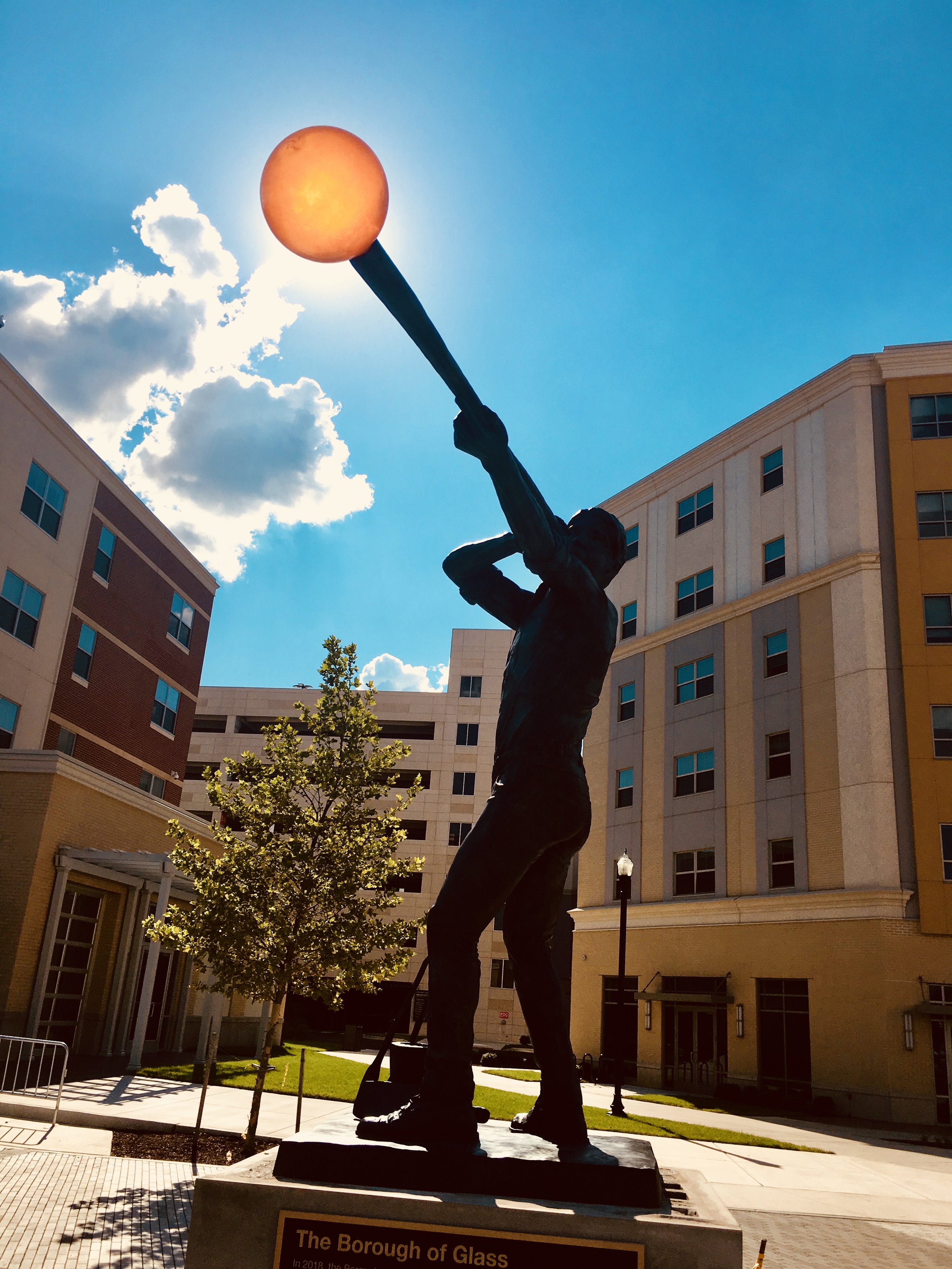
Glassblower Bronze Statue
Through these sites and initiatives, Glassboro continues to celebrate its past while educating new generations about the borough’s unique contributions to industry, education, and community life. Preservation efforts ensure that both residents and visitors can connect with the town’s history and experience the story of Glassboro firsthand.
Today’s Glassboro
From its glassmaking origins to its role as a center for education, culture, and historic diplomacy, Glassboro has grown into a vibrant, welcoming community. Today, the borough blends its historic charm with modern development, making it a hub for residents, students, and visitors alike.
Rowan University continues to help shape the town’s character, bringing innovation, research, and culture to the community. Downtown Glassboro has evolved into a lively destination with local shops, restaurants, and cafes, creating a walkable town square where residents gather for seasonal events and festivals.
Glassboro’s calendar of community events and festivals draws visitors from across the region, boosting local tourism while highlighting the borough’s arts, culture, and heritage. Glassboro also offers abundant parks, recreational spaces, and sports facilities, including pickleball courts, trails, and community wellness programs. These spaces encourage healthy living, outdoor activities, and family-friendly experiences.
The borough’s growth includes mixed-use developments and market-rate housing, adding vibrancy while retaining the small-town feel. Glassboro is also known for its community-focused events that attract visitors from across the region, highlighting local arts, culture, and heritage. With a strong focus on smart growth, tourism, and community engagement, Glassboro today represents a town proud of its history but looking confidently toward the future, offering both residents and visitors a unique blend of history, opportunity, and small-town charm.